Our Approach
Philosophy & Teaching Methods
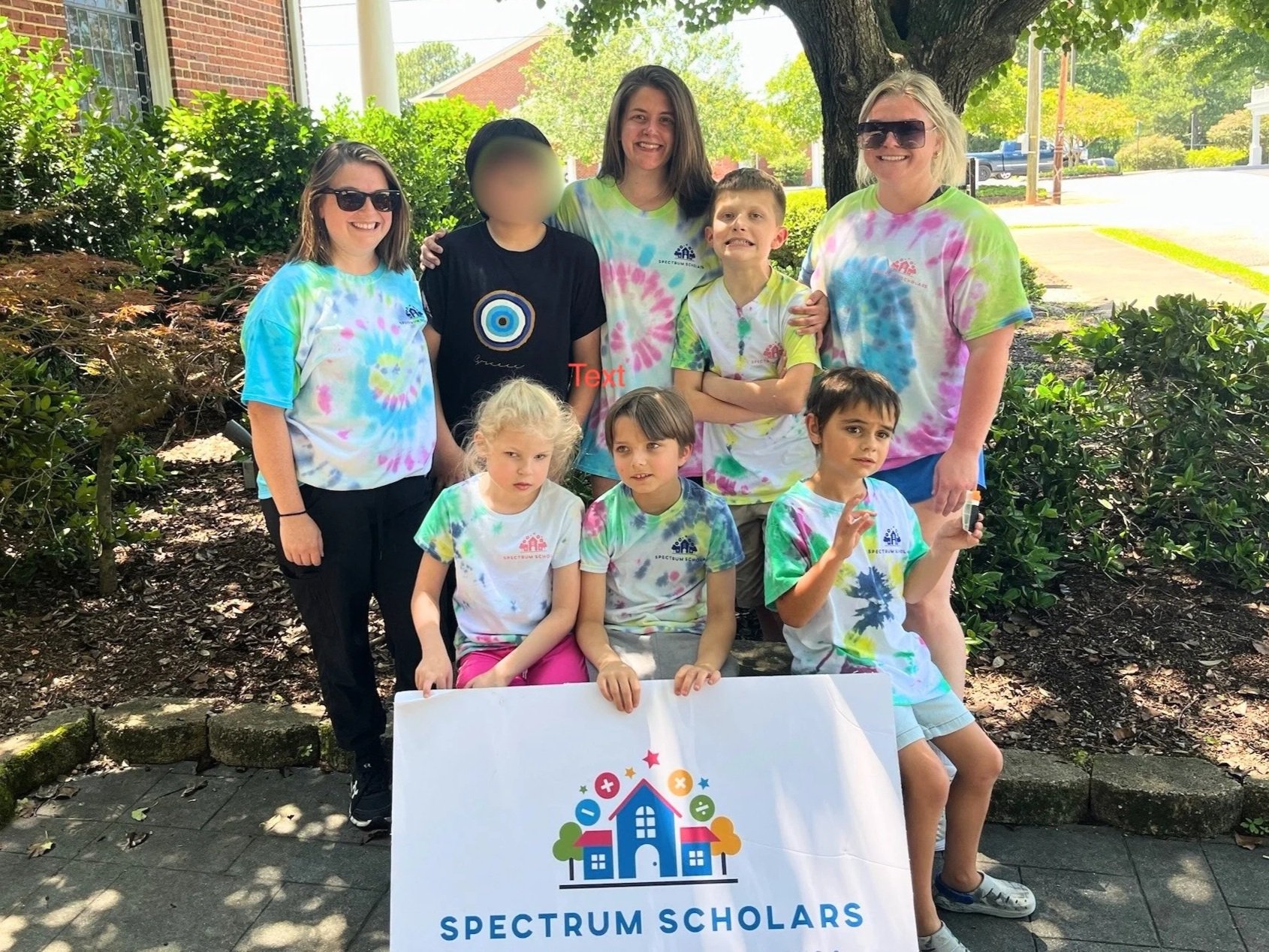
Every learner brings unique strengths, interests, abilities, and needs—and every family has its own values and priorities.
We use evidence-based assessments, ongoing observation, and individualized instruction to identify skills that will have the greatest impact on each student's quality of life.
As behavior analysts, we prioritize socially meaningful behavior change that increases independence, expands opportunities for choice, and improves access to the activities, relationships, and experiences each learner values.
We measure success not only by the skills students acquire, but by the opportunities those skills create.
Our educational model is guided by the Pyramid Approach to Education and the principles of Applied Behavior Analysis (ABA).
Led by Board Certified Behavior Analysts (BCBAs), our team uses systematic assessment, individualized teaching strategies, and ongoing data collection to guide instructional decisions and monitor student progress.
We emphasize functional communication, meaningful motivation, and purposeful learning opportunities that are relevant to each student's daily life.
While structured assessments help us identify strengths and areas for growth, instructional priorities are individualized rather than determined by a predetermined sequence of skills.
Learning Beyond the Classroom
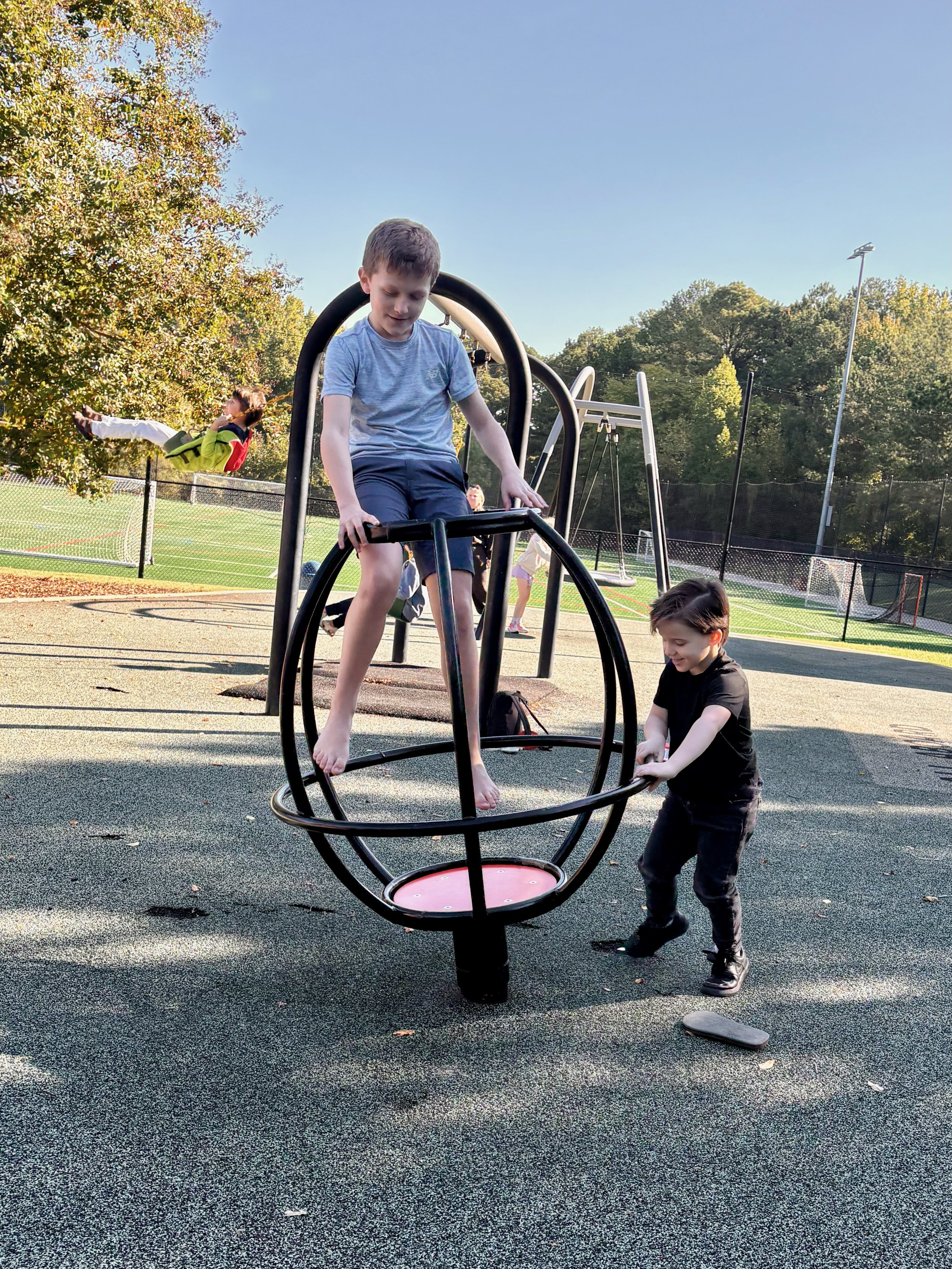
We believe meaningful skills are best developed through opportunities to use them in everyday life.
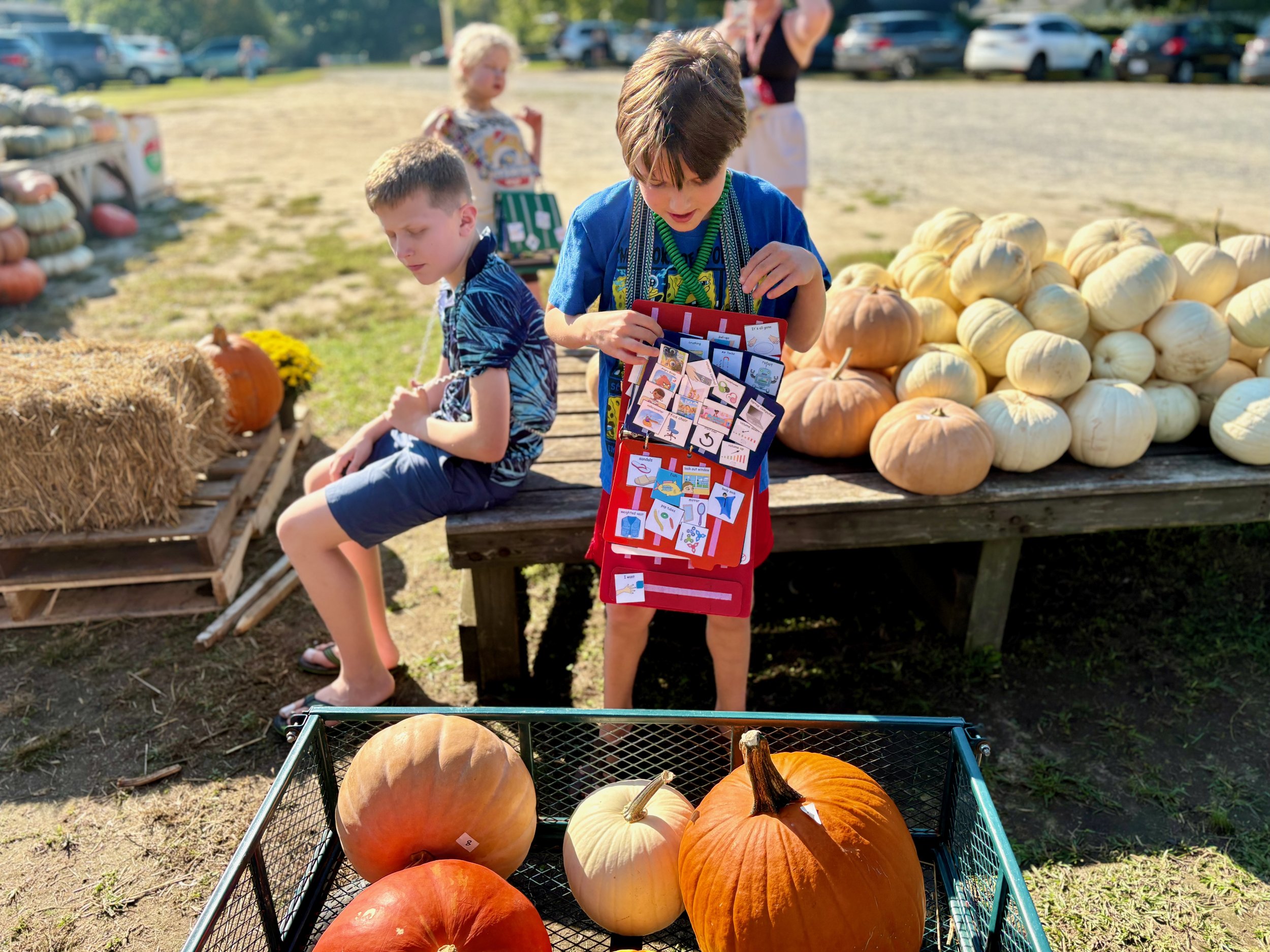
Our students learn through a combination of structured instruction, natural learning opportunities, and authentic experiences within the school and surrounding community.
From grocery shopping and meal preparation to personal hygiene, recreation, and community outings, we intentionally incorporate instruction into routines and environments where those skills will be used.
We emphasize generalization—helping students apply what they learn across different people, settings, and situations—so progress extends beyond the classroom and into their everyday lives.
Differentiated Instruction
At Spectrum Scholars, individualized education is more than adapting how a skill is taught. It's thoughtfully considering which skills matter, why they matter, and what opportunities they create for each student.
We invite you to explore our programs and learn more about how our approach may support your child's unique strengths, needs, and goals.
At Spectrum Scholars, we believe meaningful education begins with understanding the individual learner. Our approach combines the science of behavior analysis, individualized assessment, and collaboration with families to develop skills that make a lasting difference in everyday life.
We focus on more than what students learn—we consider how those skills expand opportunities for independence, choice, connection, and meaningful participation in the world around them.
Communication, Choice, & Self-Advocacy
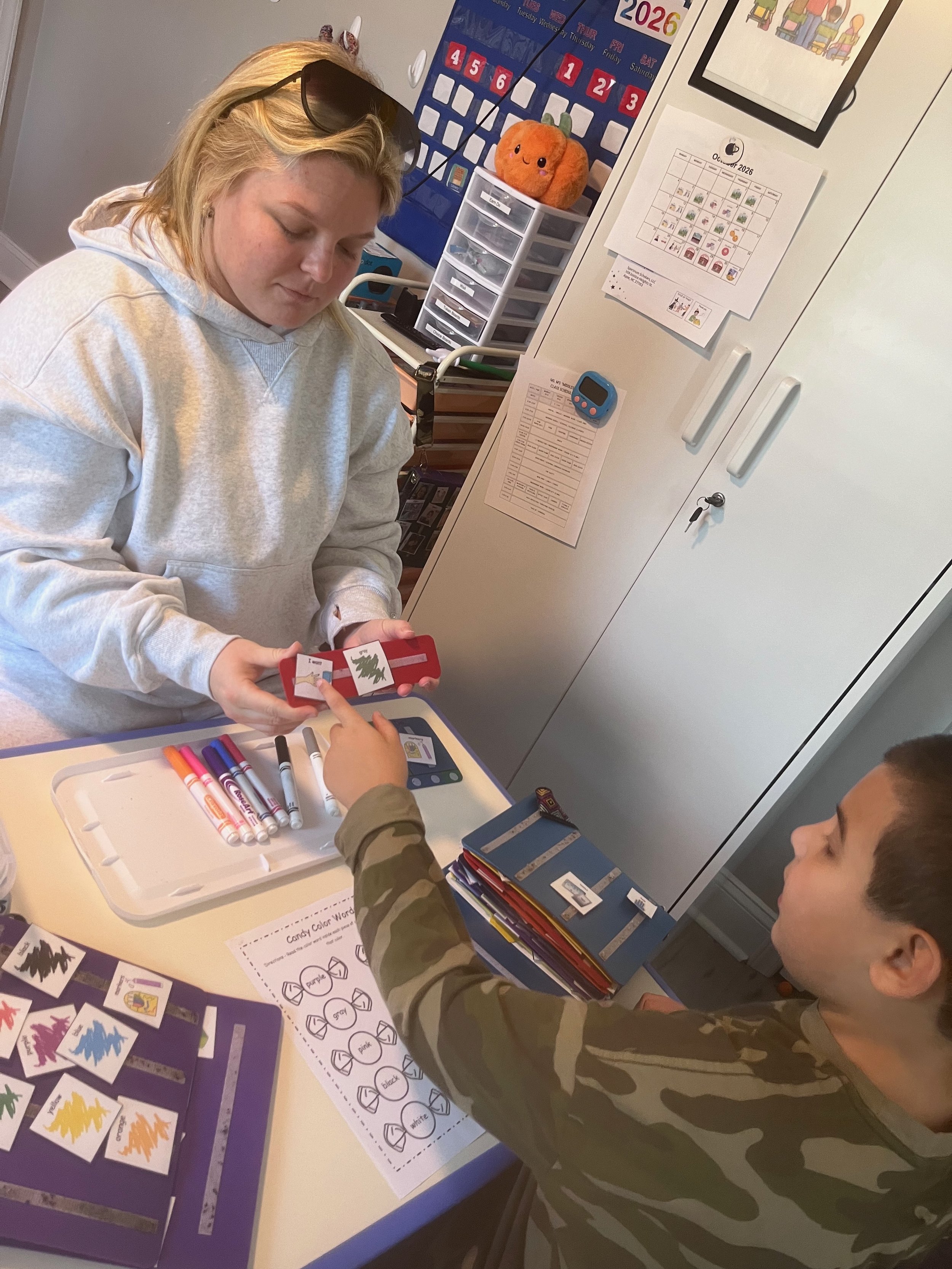
We believe that every learner deserves an effective way to communicate, express preferences, make choices, and advocate for their needs.
Functional communication is foundational to our educational approach. We support students in developing meaningful communication skills using modalities appropriate to their individual needs, including spoken language, picture-based communication, gestures, and augmentative and alternative communication (AAC).
Our goal extends beyond teaching students to request what they need. We want them to develop the communication skills necessary to participate in relationships, share their interests, express their preferences, and influence the world around them.
Family Collaboration
We recognize that meaningful progress looks different for every student and every family.
Through ongoing collaboration, individualized assessment, and our Values & Functional Independence Assessment, we seek to understand each family's priorities, everyday routines, challenges, and hopes for their child's future.
These perspectives, alongside each student's own interests, preferences, and developmental needs, help us identify instructional goals that can make the greatest difference in daily functioning.
Whether that means independently completing a morning routine, communicating more effectively at home, participating in family outings, or developing greater independence with personal care, we prioritize skills that are meaningful to the learner and the people who support them.